By Design · Autumn/Winter
The Autumn Plaids, Ranked by How Much Lunch They Can Hide
Flannel season is in full force, and the work shirt is finally getting the runway review it never asked for.
By Hollis Carver Domestic Affairs · By Design 2026-11-03
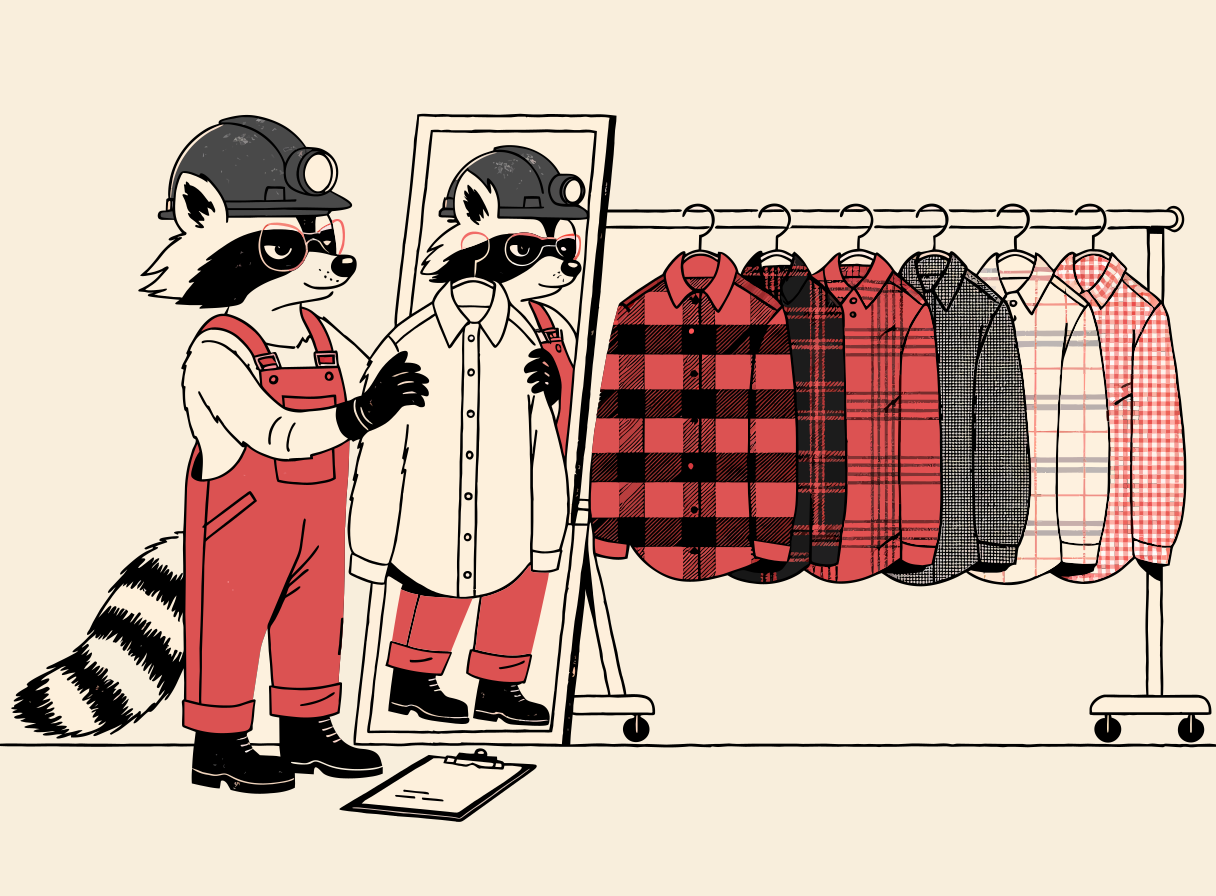
The autumn collections are showing at the hardware store this month, worn by men buying one hinge. Critics will talk about drape and color story. A work shirt is a fixture, and a fixture is graded on the maintenance event nobody mentioned at purchase. On a shirt, that event is lunch. The plaids are ranked by how much of it they can hide.
Plaid has had harsher reviews. In 1746 Parliament banned “the Plaid” by name, with the kilt and the trews, at six months in prison for a first offense. It meant the garment, not the pattern, and it took until 1782 to withdraw the review. Soldiers were exempt, which is how the winner got through.
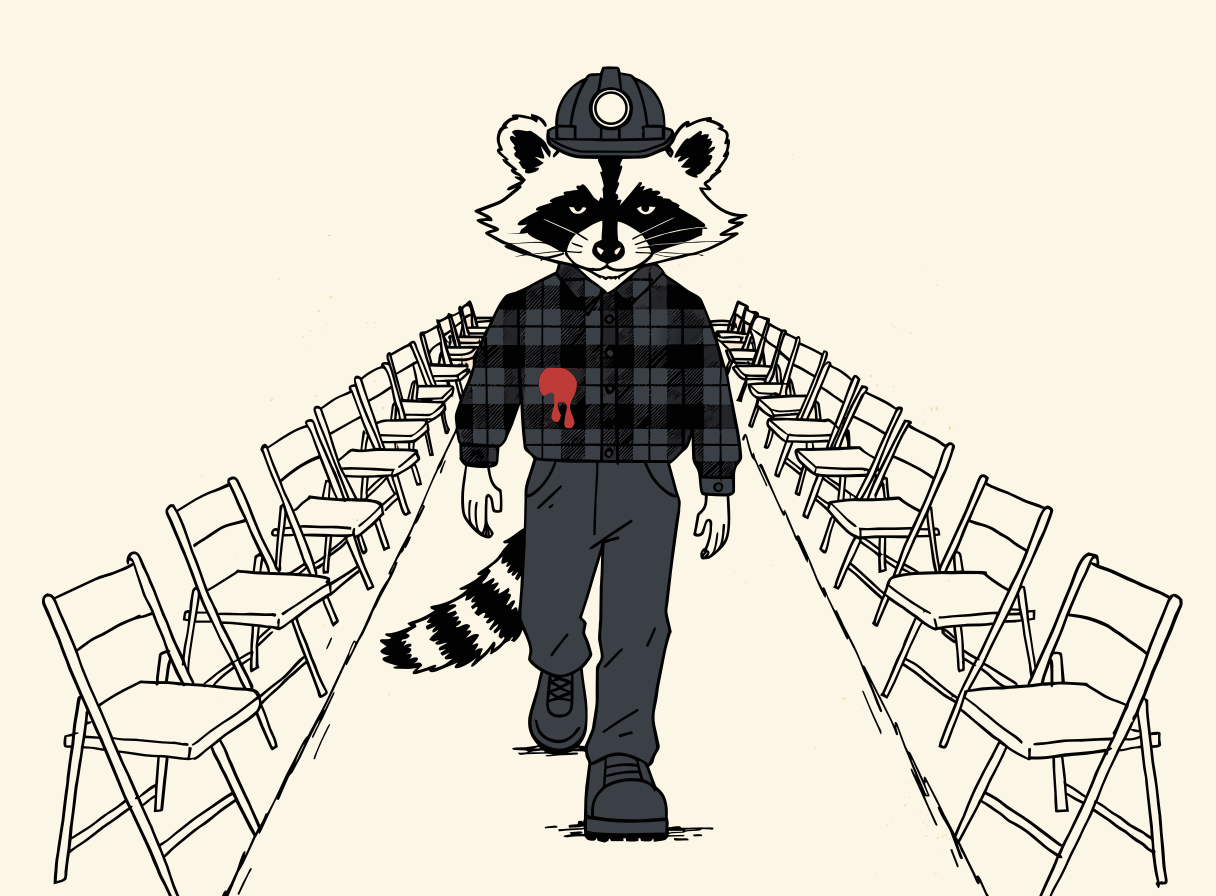
- Black Watch. Navy, bottle green and black, the army’s tartan, worn on duty straight through the ban. Coffee, gravy and a full bowl of chili go in and are never seen again. A stain on Black Watch simply falls in.
- Buffalo check. Red and black squares in equal measure, the lumberjack’s business suit. Ketchup lands on the red, coffee on the black, and mustard is a matter for the wearer. Bison-ess casual.
- Royal Stewart. Red, crossed with most of the rest of the paint box, and nominally the King’s own tartan, though half the high street has it on. It takes cranberry sauce and red wine without a flicker. A stain on Royal Stewart is a commoner at court: present, and unnoticed.
- Madras. Bright Indian cotton, dressed for a beach in a November show. Bleeding madras is sold on the promise that its dyes run in the wash, so the shirt stains itself before you can. Nobody can pin a spill on a shirt with that record.
- Glen check. Grey on grey, fine enough to pass for a suit, and also sold as the Prince of Wales check, after a Prince of Wales; the menswear trade has never agreed which. It loses crumbs beautifully and reports soup at once. Check, please.
- Tattersall. Thin lines on a cream ground, named for the horse blankets at Tattersalls, the horse auction founded in 1766. It was designed for an animal that eats hay. Hold your horses, and your spoon.
Gingham asked to be ranked. The ruling: one color on white, in squares of equal size, is a check and not a plaid. It is admitted to the picnic, not the runway. It would have finished last anyway: it has lain under more lunches than any shirt alive and shows every one.
One camel-colored check is a registered trademark and sits this out. This is a ranking of patterns, not property.
The runway has tried flannel before. Marc Jacobs sent grunge down the Perry Ellis catwalk in November 1992, with the two-dollar flannel shirt remade in printed silk, and the collection cost him the job the following year. The critics panned the look. The silk was to blame; it never hid a thing.
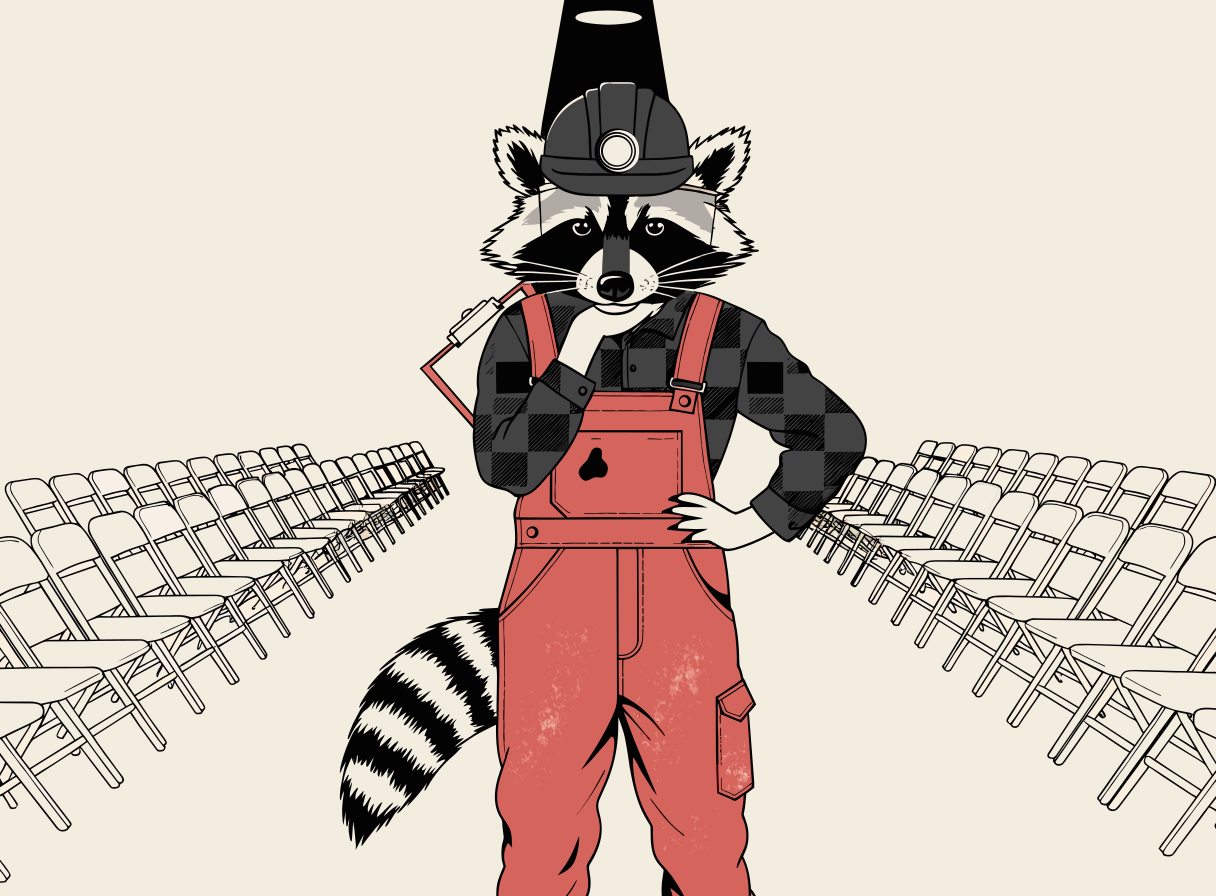
Wear the Black Watch, and order the chili.
The 1746 wording and sentence are the Act’s own (section 17, as the Dictionary of the Scots Language and published transcriptions of the statute give it), and the 1782 repeal is from National Museums Scotland and the History of Parliament. The Black Watch’s tartan is from the National Army Museum, the Royal Stewart’s standing from the Scottish Register of Tartans, the tattersall’s horse blankets from the V&A, and the Perry Ellis show from the Museum at FIT and Dazed. The stains are this desk’s own judgment.