From the Desk
Nine Monsters, Graded, and What to Say While You Are One
Having spent nine weeks grading everybody else's paperwork, the desk turns to the one night a year when the public files its own — with a costume for each register, a line from a work actually on it, and a template for the pumpkin.
By Casimir Vane The Registers · Filed Under Protest 2026-10-31
For nine weeks this desk has graded other people’s filings. Tonight the public files its own, in the street, in the dark, without notice and without counsel, and I am obliged to report that the standard is uneven.
I want to be clear about what tonight actually is, because the trade has been allowed to describe it for a century and the trade has an interest. It is presented as a festival. It is in fact an annual census, conducted door to door by unpaid volunteers, in which several thousand households are asked to identify a monster on sight and are fined a small sum in confectionery for each one they get wrong. Nobody has ever published the results. Having read three centuries of paperwork on nine of these creatures, I can tell you the return rate would be humiliating.
So this is a guide to being identified correctly. It is not a guide to being frightening, which is a matter of taste, and on which I have been told my opinion is not wanted.
The rule, which is one rule
A costume is a claim, and a claim needs one load-bearing detail. Everything else is stuffing.
You already know this from the registers. The vampire is not the teeth, he is the collar. The werewolf is not the fur, he is the spare trousers he did not think to leave by the door. The witch is not the nose, she is the hat, and the hat is a nineteenth-century addition that appears in no trial paper this desk has read — which the coven register says at greater length and with better sourcing than I can manage in a sentence.
Find the one detail. Cut everything competing with it. A costume that says one thing clearly beats a costume that says four things at once, and I say that as somebody whose entire public identity is a collar and a reluctance to come in.
Each entry below gives you the detail, the mistake, and a line to say. The lines are real. Every one is quoted from a work that is actually filed on the register it sits under, because a misquotation is a wrong fact wearing a jaunty hat and this paper has spent nine weeks not printing those.
01
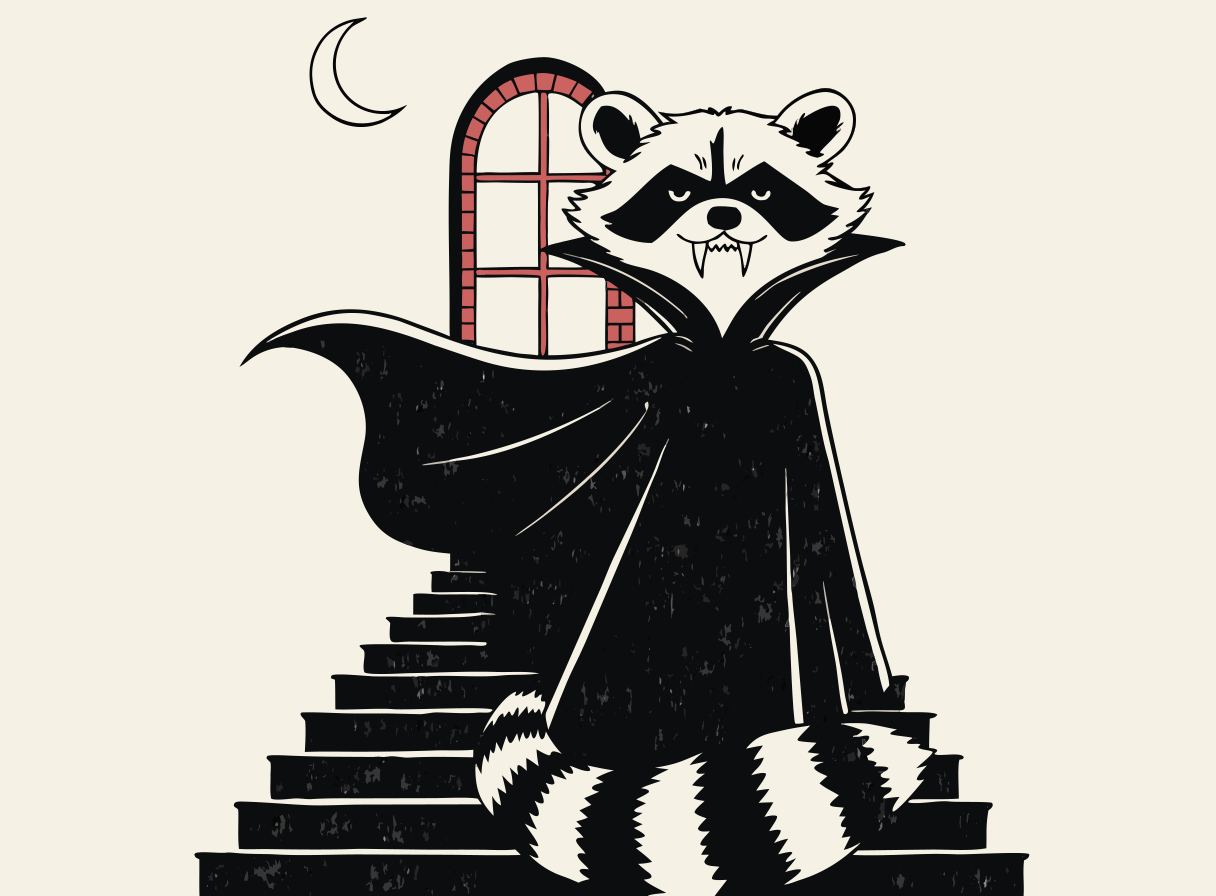
A black cape with a collar that stands up on its own, two fangs, and the manners to wait on the step until somebody asks you in.
The collar is doing all the work. The fangs are decoration and are usually the first thing to go in a bin at midnight.
Listen to them — the children of the night. What music they make!
Bram Stoker, Dracula (1897), ch. 2
02
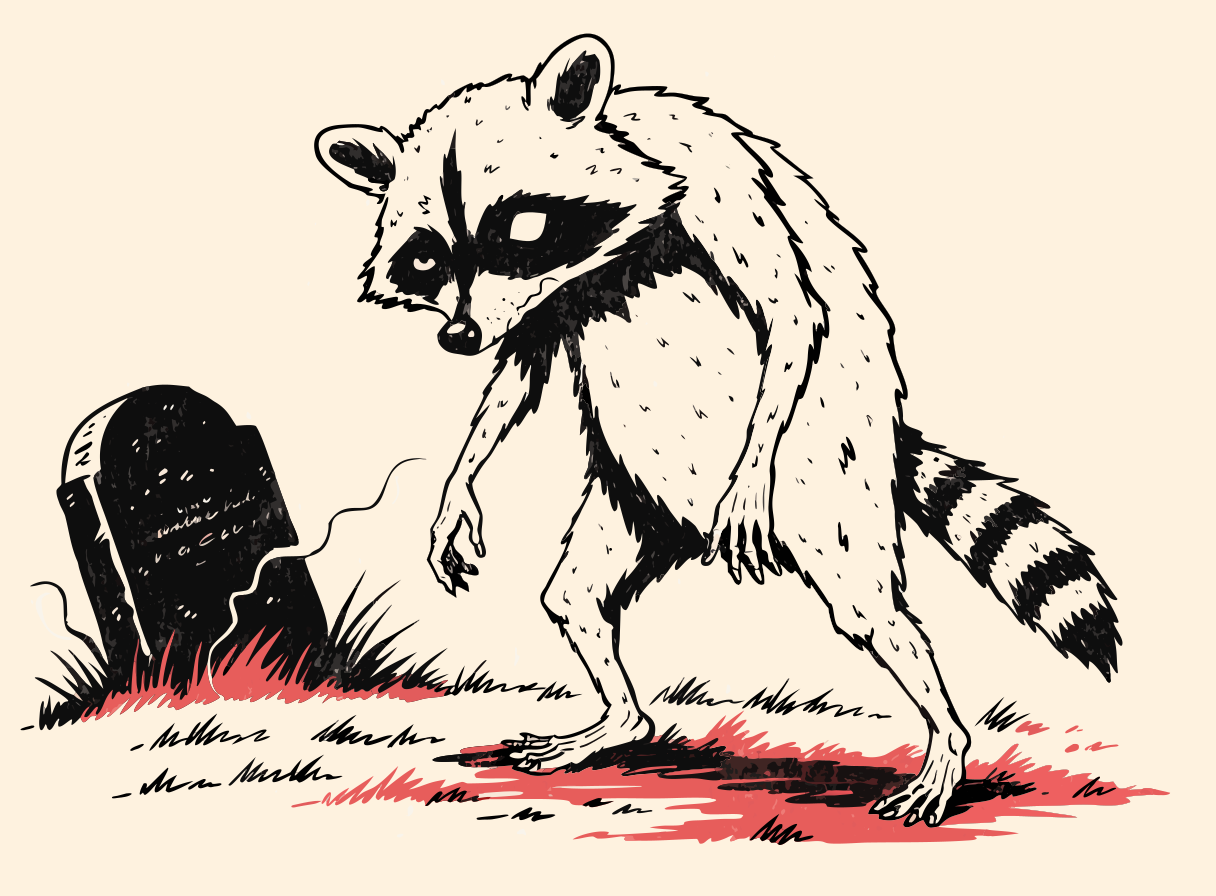
Your worst clothes, torn further than you are comfortable tearing them, and a grey face.
Underdo the face. This register’s leading finding is that for eighty years the word meant the person something was done to, not the thing at the door, and a restrained one is far more unsettling than a good one.
They’re coming to get you, Barbra!
Night of the Living Dead (1968) — and it is Barbra, spelled without the second a
03

Fur, pointed ears, big paws, and a neatly folded second set of clothes left by the door.
The spare clothes are the costume. Two thousand years of filings on this register and almost nobody in any of them thinks to leave a change of trousers where they can find it afterwards.
I went to pick up his clothes; but they had turned to stone.
Petronius, Satyricon §62 (c. AD 61)
04
The Register of Unfinished Business
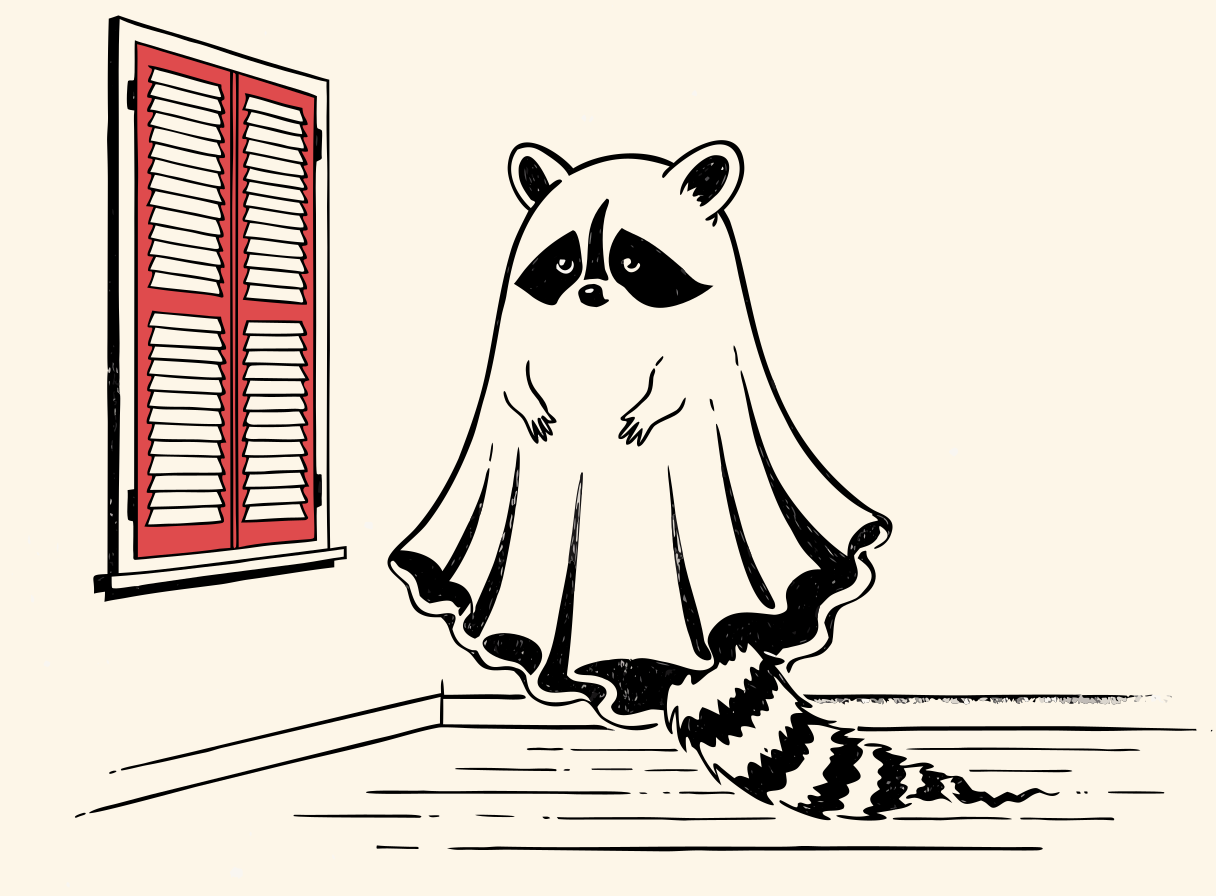
A sheet. One you own, one you are allowed to cut, and ideally not a fitted one.
Put the sheet on first and have somebody else mark the eye holes. Cutting them flat on the floor and hoping is how you spend an evening looking at the inside of a sheet.
I wear the chain I forged in life. I made it link by link, and yard by yard.
Charles Dickens, A Christmas Carol (1843), stave 1
05
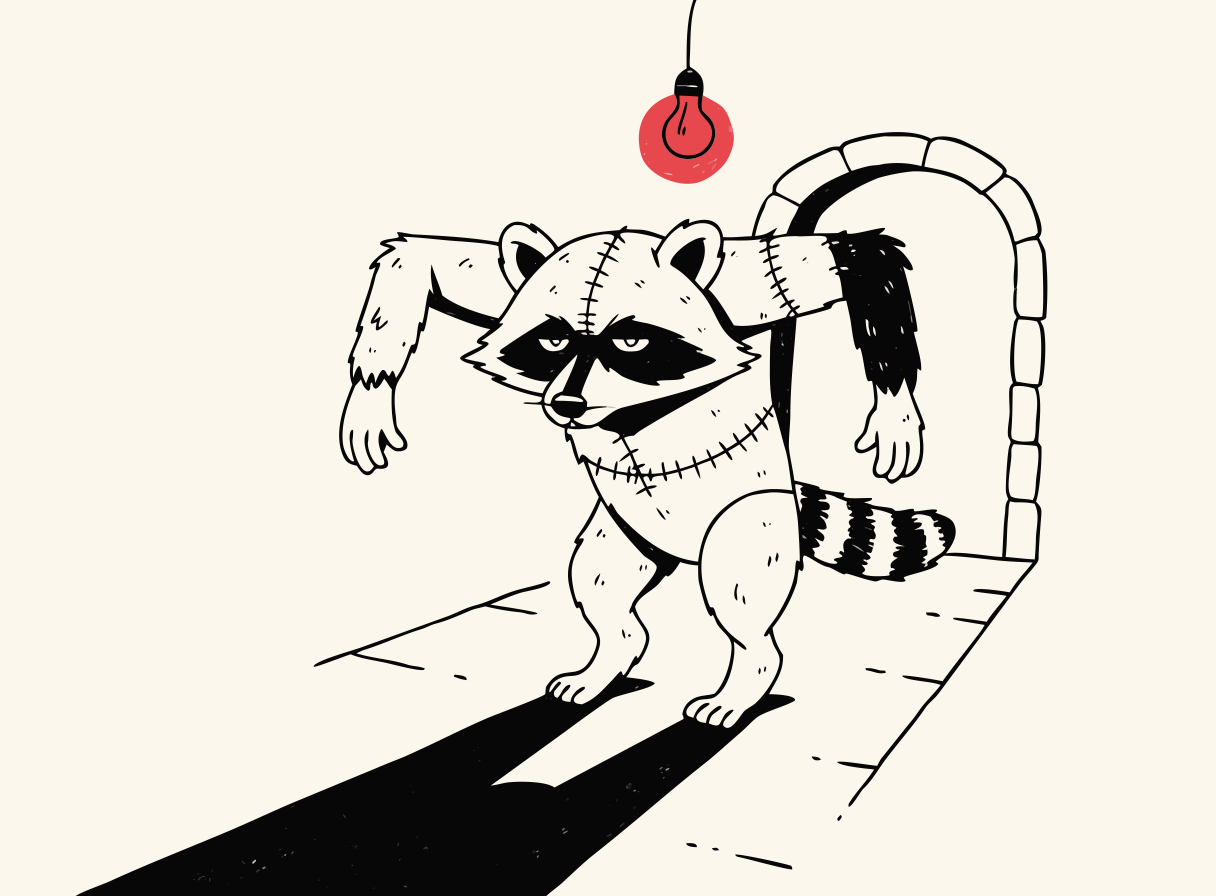
Second-hand clothes that do not match each other, stitches drawn on in eyeliner, and a stiff-legged walk with both arms straight out.
No flat head and no neck bolts. That face was designed by a studio make-up department in 1931 and is still somebody’s property; the stitches and the mismatched parts are Shelley’s, are 1818, and are free.
I ought to be thy Adam; but I am rather the fallen angel.
Mary Shelley, Frankenstein (1818), ch. 10
06
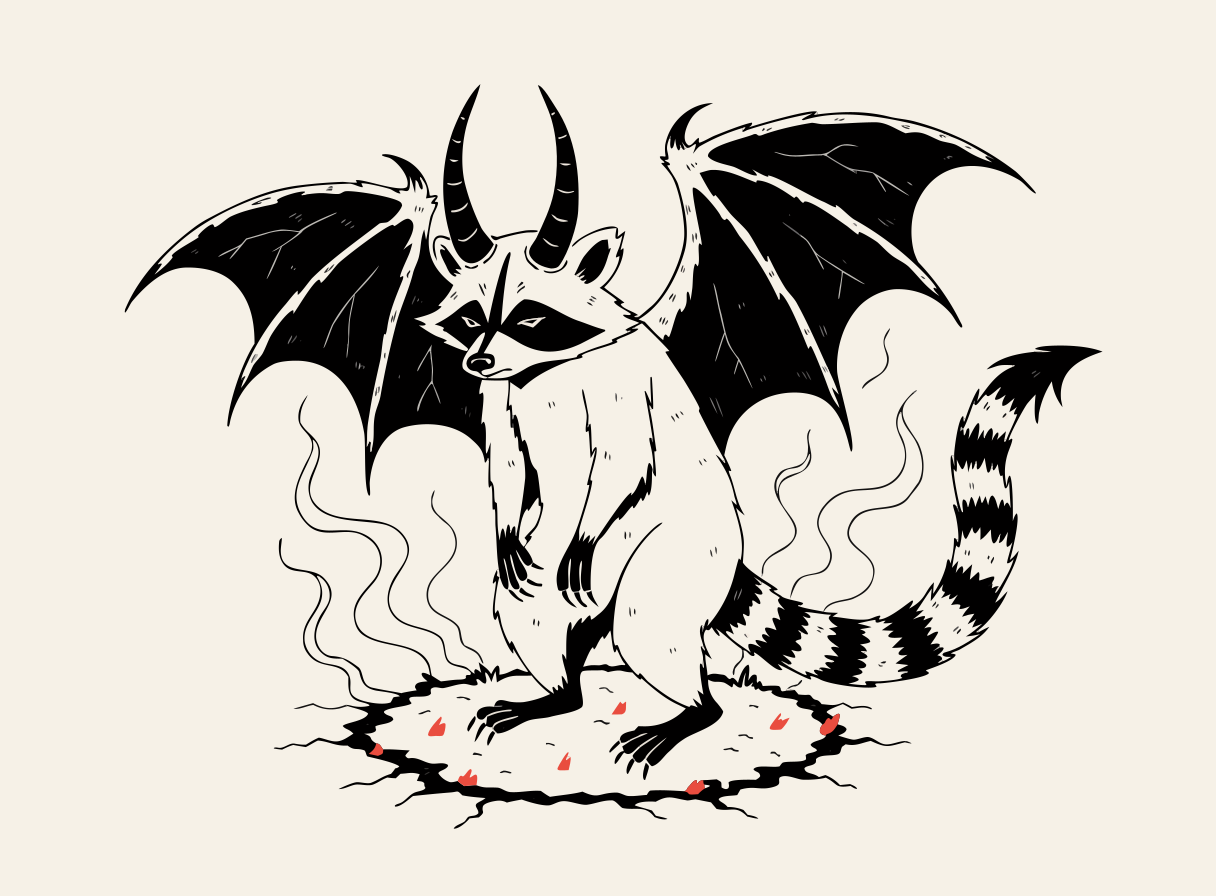
Horns, something dark, and a contract. A long one. Let it unroll.
Carry the paperwork. This is the one register in the run whose monster keeps better records than the households do, and the document is the reason.
Why this is hell, nor am I out of it.
Christopher Marlowe, Doctor Faustus (c. 1604), sc. iii
07
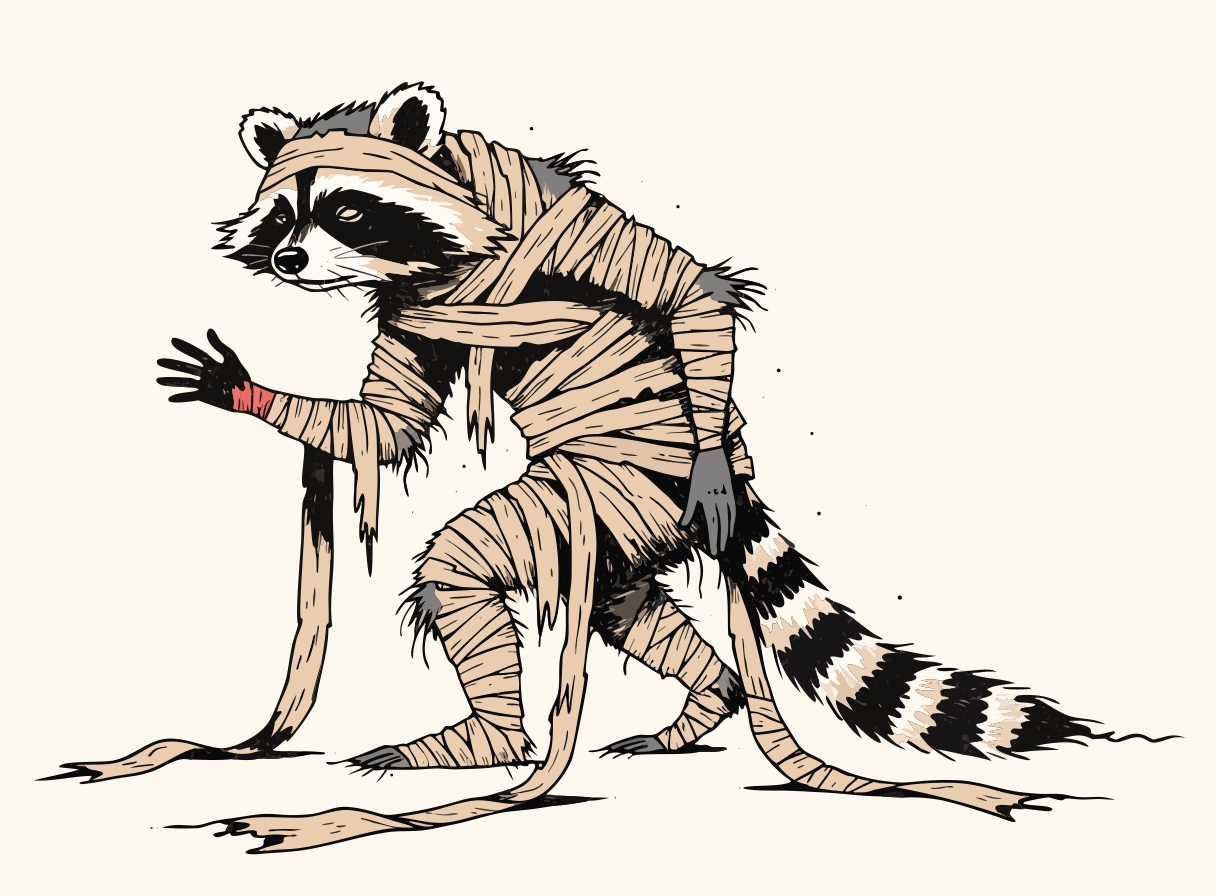
An old sheet torn into strips, wound loosely, and stained brown in cold tea the night before.
Wind them loose and let the ends trail. Anything sold in a bag comes out too white and too tight, and the register can tell you at three price points how wrong that is.
A famous sorceress who bequeathed her curse to whoever should disturb her rest.
Louisa May Alcott, Lost in a Pyramid; or, The Mummy’s Curse (1869)
08
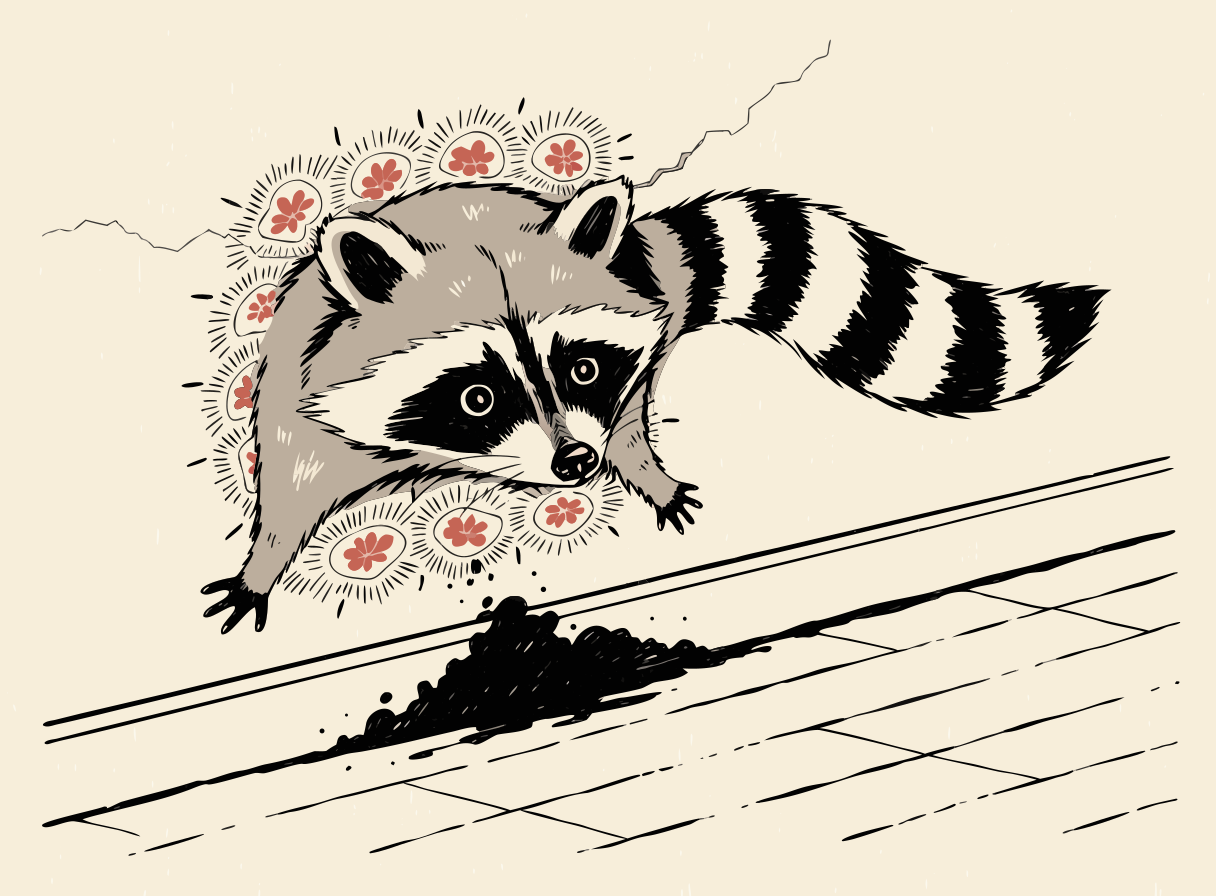
A cardboard box with a pitched roof, a chimney, two upstairs windows and a front door. Head through an upstairs window.
The portrait is what this register actually files, which is the thing in the wall, and you cannot go to a party as a bulge in the wallpaper. So go as the premises instead. You are not the ghost, you are the building — the only monster in the run that cannot leave, which is worth remembering at about half past eleven.
And whatever walked there, walked alone.
Shirley Jackson, The Haunting of Hill House (1959), opening paragraph
09
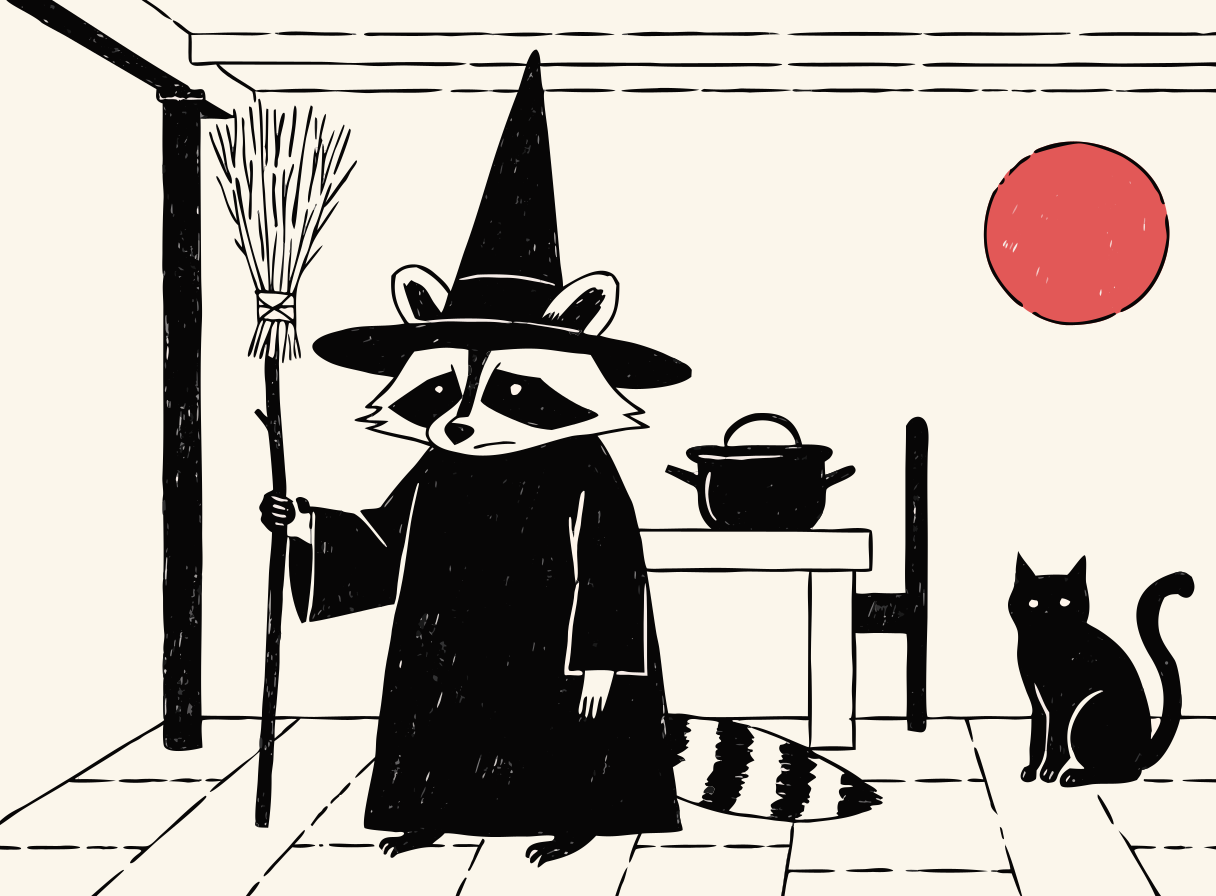
A tall pointed hat, a long dark robe, and a broom you have genuinely swept a floor with.
The hat is late. It is not in the trial papers at all, and this register can tell you what is — which is why the costume is a hat and a broom and not a defendant.
Double, double toil and trouble; fire burn, and cauldron bubble.
Shakespeare, Macbeth (c. 1606), IV.i
Carving the thing
The templates above are drawn to be cut, not admired. Black is what you remove.
- Cut the lid at an angle, not straight down. A vertical cut gives you a lid that falls in the first time you replace it. Slope the knife towards the centre and the lid sits on its own shoulder.
- Take the lid off the back, not the top. Nobody photographs the back, and a pumpkin with its face intact and a hole behind it lasts appreciably longer than one opened like a boiled egg.
- Scrape the inside wall behind the face down to about two centimetres. This is the step everyone skips and it is the one that matters: a thin wall carves cleanly, glows through, and does not fight the knife.
- Tape the template on and prick through the outlines with a skewer, every few millimetres, then take the paper off. You are now carving dot to dot in good light instead of following a wet sheet of paper in bad light.
- Cut the small shapes first, the big ones last. Every cut weakens what is left. Do the teeth while the face is still rigid and the jaw is still there to hold them.
- Push each piece out from the inside. Pulling from the front takes the edge with it.
A note on structure, since it is the only genuinely technical thing here. Any shape completely surrounded by a cut has nothing holding it up and will drop into the candle. That is why none of the nine templates gives a monster a pupil inside an eye — the eye is the shape. If you improvise, improvise outward.
And afterwards
Rub the cut edges with a little petroleum jelly and keep it out of the sun and it will hold its face for the best part of a week. Sunlight is what finishes it.
I am told this is a common complaint.
— Casimir Vane
The nine registers this guide is drawn from ran weekly from September to the coven register, which closed the run on Wednesday. The house apparatus is explained, once, in the house rules.